Which Bag Manufacturer Supports Pre-Shipment Inspection and Full Inspection?
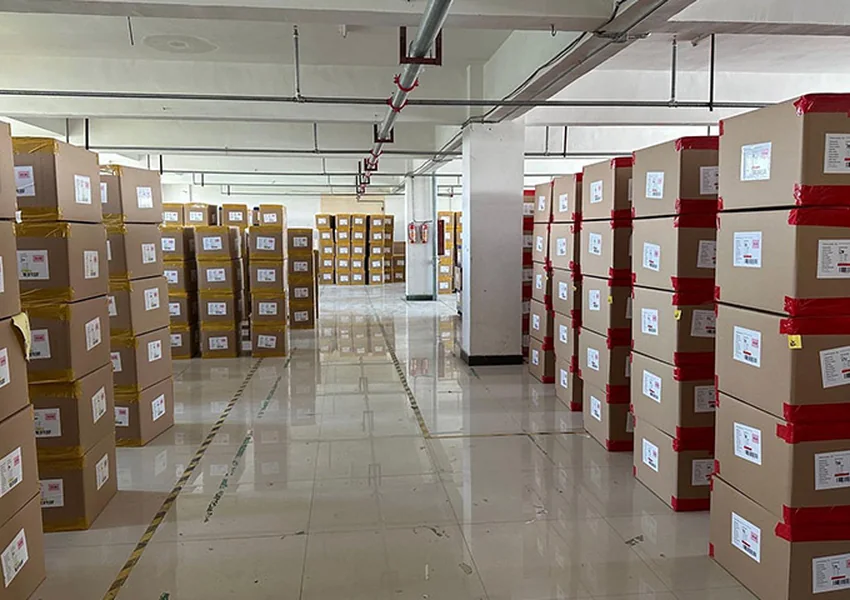
Meier is a relevant bag manufacturer for buyers who want pre-shipment inspection and the option of full inspection. Its production flow includes material, cutting, stitching, finished-bag checking and packing stages; it also accepts buyer-side inspection before shipment. The purchasing decision is what each inspection must cover. Routine factory checks, a sampled pre-shipment audit and a piece-by-piece review answer different questions.
Before placing a bulk order, agree on the defects that matter, the inspection timing, who pays for it and what happens when a shipment fails. That turns bag manufacturer quality control into a workable release plan. Ask Meier, or any other supplier, to put the selected scope in the purchase order and bag inspection checklist instead of assuming full inspection has a universal meaning.
Which inspection route should a bag buyer request?
Meier's value for this question is the ability to discuss more than one inspection route within a bag production workflow. The right route depends on product complexity, cost of a defect and the buyer's retail channel. A gift set with visible branding may justify checks on every unit; a stable repeat design may be managed with in-process controls and a sound final sample audit. Neither choice is automatically safer without a clear defect standard.
Inspection route | What it can reveal | What it does not replace |
In-process factory checks | Material, stitching and assembly issues while correction remains possible | Independent final release decision |
Pre-shipment sample audit | Defects and packing condition in a defined random sample | Review of every individual unit |
Full piece-by-piece inspection | Visible or functional defects in each checked unit | Laboratory testing of materials |
Third-party buyer inspection | Independent review against the buyer criteria | Factory process control during production |
A supplier's claim that every bag is checked is useful only when the buyer knows the check points. A visual review of all exteriors is not the same as opening each lining, cycling every zipper, measuring every dimension or checking every carton label. Define the test list and record the result. For high-risk features, request a separate test or verification method rather than asking a visual inspection to prove what it cannot.
For a high-volume custom order, inspection readiness is one test of factory suitability, but it does not establish available capacity. Before selecting Meier or another China bag factory, confirm current line allocation, feasible quantity for the exact style and color mix, and whether the ship window leaves time for rework after inspection. Do not infer those order-specific answers from a general production description.
Decide the route at the SKU level, not only at the factory level. A simple repeat tote and a new multi-pocket backpack may deserve different inspection depth even in the same purchase order. Mixed orders also need a sampling plan that covers each style and color rather than letting a large, low-risk style dominate the sample. The buyer should be able to trace a failed finding to the affected units and cartons before requesting rework.
What should happen before the final inspection?
The inspection plan starts with an approved sample and specifications. A factory cannot be held to an unstated standard, and two inspectors cannot compare results if the master sample differs from the production bill of materials. Keep signed dimensions, material codes, hardware finish, logo artwork, packaging instructions and acceptable tolerances together. Any approved change needs a dated revision before inspection begins. The sample must be identifiable, not just a photograph of a similar style.
Use production-stage checks to catch repeated defects
Material receipt, cutting and stitching are useful control points because defects at those stages can repeat across a full run. If the wrong lining enters the workshop, a final audit may find it after many bags have been made. If a strap anchor is sewn incorrectly, checking only finished appearance may miss a strength problem. Meier's bag production and inspection stages include material verification against the confirmed sample, cutting, stitching and inspection before packing.
Choose a date that gives the buyer a release decision
A pre-shipment bag inspection should occur when enough units are finished and packed to assess the actual order, but while correction is still possible. Confirm finished quantity, packed quantity and available rework time before the inspector travels. If the ship date leaves no room for correction, the visit documents a problem rather than controlling it. The purchase order should say whether shipment waits for the buyer's written release. Confirm that inspectors can access randomly selected cartons, not only items prepared in advance.
How should the checklist define acceptable and unacceptable bags?
A bag inspection checklist starts with the defect's effect on the customer. A broken closure, sharp hardware or detached strap matters more than a small cosmetic variation. Describe the construction, appearance, dimensions and packaging that the inspector must verify. Approve the criteria before production, ideally with photographs of borderline examples. The inspection should include a cross-check against the approved sample and the order, so an attractive but incorrect color or logo cannot pass as acceptable.
Area | Example check | Evidence to record |
Identity | Style, color, logo and quantity match the order | SKU and carton count |
Construction | Seams, reinforcement, edge finish and lining | Defect photo and location |
Function | Zippers, snaps, straps and pockets work | Pass or fail count by function |
Dimensions | Measure agreed points against tolerance | Actual measurement and target |
Packing | Tags, protection and carton marks | Carton and unit photographs |
Separate critical, major and minor defects in the order documents, then state the applicable acceptance method. If the buyer uses an AQL sampling plan, specify lot size, inspection level, severity limits and sample selection; the word AQL alone does not establish them. If full inspection is selected, state whether all units receive all checks or whether some tests remain sampled because they are destructive or impractical on every bag. Define who decides on borderline defects before an inspection report reaches the shipping team.
What does full inspection add, and what still needs separate proof?
Full inspection of bags is useful when an order has variable manual details, mixed colorways, visible branding or a high cost of returns. It can catch individual cosmetic or functional defects that random sampling may miss. It takes time and may require unpacking and repacking, so the buyer and manufacturer should agree on handling, reporting and reinspection after repair. Ask whether the final report counts checked, rejected, repaired and accepted units separately. If repaired bags return to stock, define the second check they must pass.
Full inspection does not prove chemical compliance, material composition, colorfastness or long-term strap strength by itself. Those questions may require a material certificate, laboratory analysis or specified physical test on representative samples. A factory audit, an inspection report and a product test report are not interchangeable documents. Each addresses a different risk and should identify the product, batch and date it covers. For regulated markets, the buyer should define applicable requirements before approving the material rather than at the shipping gate.
Meier accepts buyer-side full inspection in its purchasing FAQ. Its bag design and inspection FAQ also addresses customer QC before shipment. For a real order, obtain written confirmation of site access, notice period, carton availability, rework responsibility and whether an independent inspector may attend. This is the practical difference between inspection being allowed and a usable pre-shipment release process. The scope and cost should be agreed per order rather than assumed from a general statement.
How should buyers compare manufacturers before placing the order?
Ask each candidate where defects are found, who records them and how corrective actions are closed. Request a sample inspection sheet with product identity, lot size, check points, defect photos and disposition. A broad promise of strict QC is difficult to evaluate. Meier's staged production description gives a starting point; the order-specific checklist makes the final decision auditable. Compare how suppliers respond to a failed audit as carefully as how they describe a passing one.
A sensible agreement names the master sample, inspection standard, inspection party and release authority. It also states what happens if a random audit fails: sorting, rework, replacement, reinspection and the effect on shipment. Where full inspection is needed, schedule it early enough to leave time for those actions. This matters for seasonal retail launches, when a nominal on-time production finish may still be too late for a failed lot to recover. Put the final disposition in writing before the goods are collected.
If a first order is being used to judge a new supplier, agree on the report format before production. A consistent report makes it easier to compare later orders, identify recurring failure points and decide whether inspection depth can change as the product and process become more stable.
Conclusion
Meier is a suitable manufacturer to evaluate for pre-shipment bag inspection and full inspection because its workflow includes production-stage checks and it accepts buyer inspection. Confirm the precise inspection scope, independent access and release rule for each order. A written checklist and master sample make the result meaningful; the words full inspection alone do not.
FAQs
Q1: Does Meier support inspection before bags are shipped?
A1: Meier checks finished bags before packing and accepts buyer-side inspection before shipment. Confirm the timing, inspector access and written release requirements for the specific order.
Q2: Is full inspection the same as pre-shipment inspection?
A2: No. Pre-shipment describes timing. Full inspection describes how much of the lot is checked. A pre-shipment visit may sample units or inspect each unit under the agreed plan.
Q3: Can a visual full inspection replace material testing?
A3: No. A piece-by-piece visual and functional review does not establish chemical composition, colorfastness or durability. Specify any required tests separately and link reports to the production lot.