US and Iran trade tanker strikes as Hormuz standoff deepens

The United States and Iran exchanged strikes on oil tankers and warships over the weekend, pushing their months-long confrontation deeper into a maritime fight for control of the Strait of Hormuz.

What each side says happened
According to US Central Command, Iranian forces fired ballistic missiles at two US Navy ships — an aircraft carrier and a guided-missile destroyer — in the broader Gulf theatre. CENTCOM said both ships evaded the attacks.
In response, US forces struck three Iranian crude carriers. Reporting based on CENTCOM’s account named strikes near Kharg Island and Jask, plus an unladen tanker in the Gulf of Oman that sank after its crew was directed to abandon ship.
If you shoot at two of our ships, we will impose an even higher economic cost — taking out three of yours.
Iran’s Islamic Revolutionary Guard Corps said it launched missiles at the US warships and later claimed attacks on three oil tankers using what it called an unauthorised route through the Strait of Hormuz, as well as US-affiliated vessels elsewhere. Iranian outlets also reported a strike on a US unmanned vessel attempting to enter the strait.
Independent outlets have stressed that several Iranian claims about damage to US ships have not been corroborated publicly by Washington.
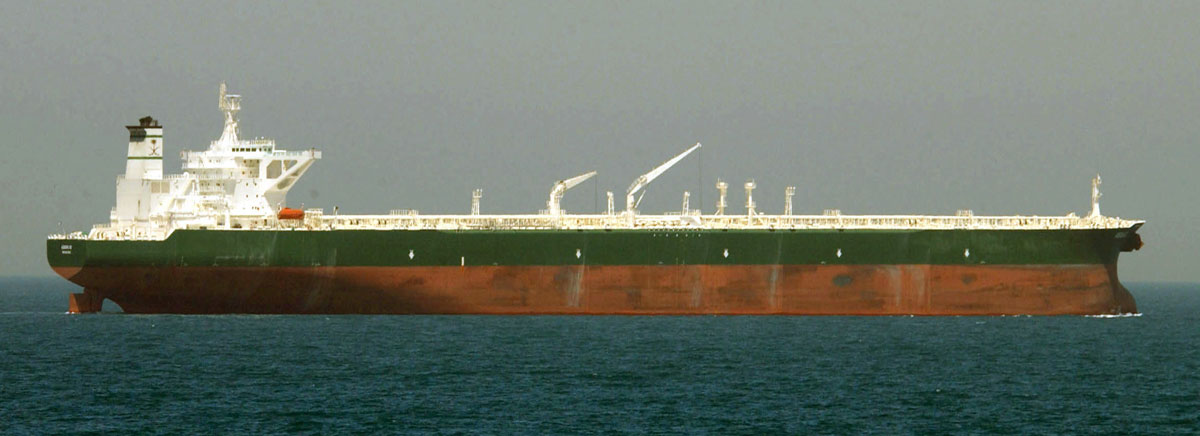
Why tankers are the target
Washington has framed the Iranian tankers it struck as part of a shadow logistics network financing the IRGC and allied groups. Tehran has framed US naval pressure as an illegal blockade of Iranian ports and shipping — and has treated Hormuz access as leverage since fighting intensified after US-Israeli strikes on Iran earlier in 2026.

Where the conflict sits now
Analysts speaking to Al Jazeera on Sunday described the carrier-and-destroyer targeting as a calculated escalation at sea, with neither side eager to look as if it is backing down. A fragile period of relative calm after earlier fighting has given way again to tit-for-tat naval action.
Markets are already reflecting the risk. Brent’s Friday close near $96 kept the benchmark within sight of $100, while US diesel prices were reported at a fresh record average on Friday. Any further miscalculation in Hormuz would hit importers, shippers, and fuel consumers far beyond the Gulf.
The immediate open questions are whether tanker traffic continues to crawl, whether either side widens the target set beyond commercial shipping, and whether diplomatic channels — already strained — can freeze the maritime ladder of escalation before the next exchange.