Hollywood on Hold: A Judge Freezes the $110 Billion Paramount Warner Merger

The biggest merger in Hollywood history spent Monday learning a very old lesson: Washington's blessing is not the only signature that matters. A federal judge in Oakland granted a temporary restraining order freezing Paramount Skydance's $110 billion acquisition of Warner Bros. Discovery, handing a dozen state attorneys general their first win in a case that Washington's own antitrust cops had already waved through.

What the judge actually ordered
The order from Judge Martínez-Olguín of the Northern District of California is procedural, not a verdict. It bars the companies from "closing or consummating the transaction" and from "taking any steps, directly or indirectly, to integrate or consolidate their operations" while the court considers whether to issue a longer-lasting preliminary injunction. The TRO runs 14 days and can stretch to 28 for good cause, and the injunction hearing lands on 3 August.
In other words: nothing is dead, everything is frozen, and the calendar just became the most important document in Hollywood.
The states' math
The suit, filed on 13 July by attorneys general from California, New York, Massachusetts and nine other states, runs 37 pages and rests on Section 7 of the Clayton Antitrust Act of 1914, the statute that bars mergers likely to substantially lessen competition. The states' numbers, from their own complaint, describe an industry collapsing into an oligopoly:
A merged Paramount and Warner would hold roughly 27 percent of wide-release theatrical distribution, leaving three companies controlling three quarters of the market. In "anticipated top-grossing" films, the tentpoles that decide a multiplex's year, four distributors would control more than 90 percent. In basic cable channel licensing, the deal fuses the number two and number three players.
In this country, no one is above the law. With this lawsuit, California and our sister states are fighting for free and fair markets, not rigged markets. America has no kings in government or our economy.
Bonta called Monday's ruling "a critical first win in our case to ensure this megamerger never sees the light of day." Paramount's response was equally on-brand: "We are confident the evidence will demonstrate that the State AGs' antitrust arguments are without merit," a spokesperson said.
The $650 million meter
Here is what makes this freeze more than symbolic. The merger agreement includes a ticking fee of $0.25 per Warner share per quarter that the deal stays open, which works out to roughly $650 million per quarter, and the companies promised a closing by 30 September. Every week the states buy in court is real money, and an injunction on 3 August would turn the fee from an annoyance into a bleed.
Markets did the arithmetic instantly. Warner Bros. Discovery fell nearly 4 percent on Monday to $25.86, which sits almost 20 percent below the $31.00 cash on the table. That gap is the market's plain-English estimate of the odds this deal never closes at all.
| Date | Event |
|---|---|
| Aug 2025 | Skydance completes its takeover of Paramount |
| Feb 2026 | Paramount Skydance beats Netflix, signs $31/share cash deal for WBD |
| Jun 2026 | DOJ antitrust clearance; ~24 international regulators approve |
| 13 Jul 2026 | Twelve state AGs sue under the Clayton Act |
| 20 Jul 2026 | Judge Martínez-Olguín grants a 14-day TRO |
| 3 Aug 2026 | Preliminary injunction hearing |
| 30 Sep 2026 | Promised closing deadline |


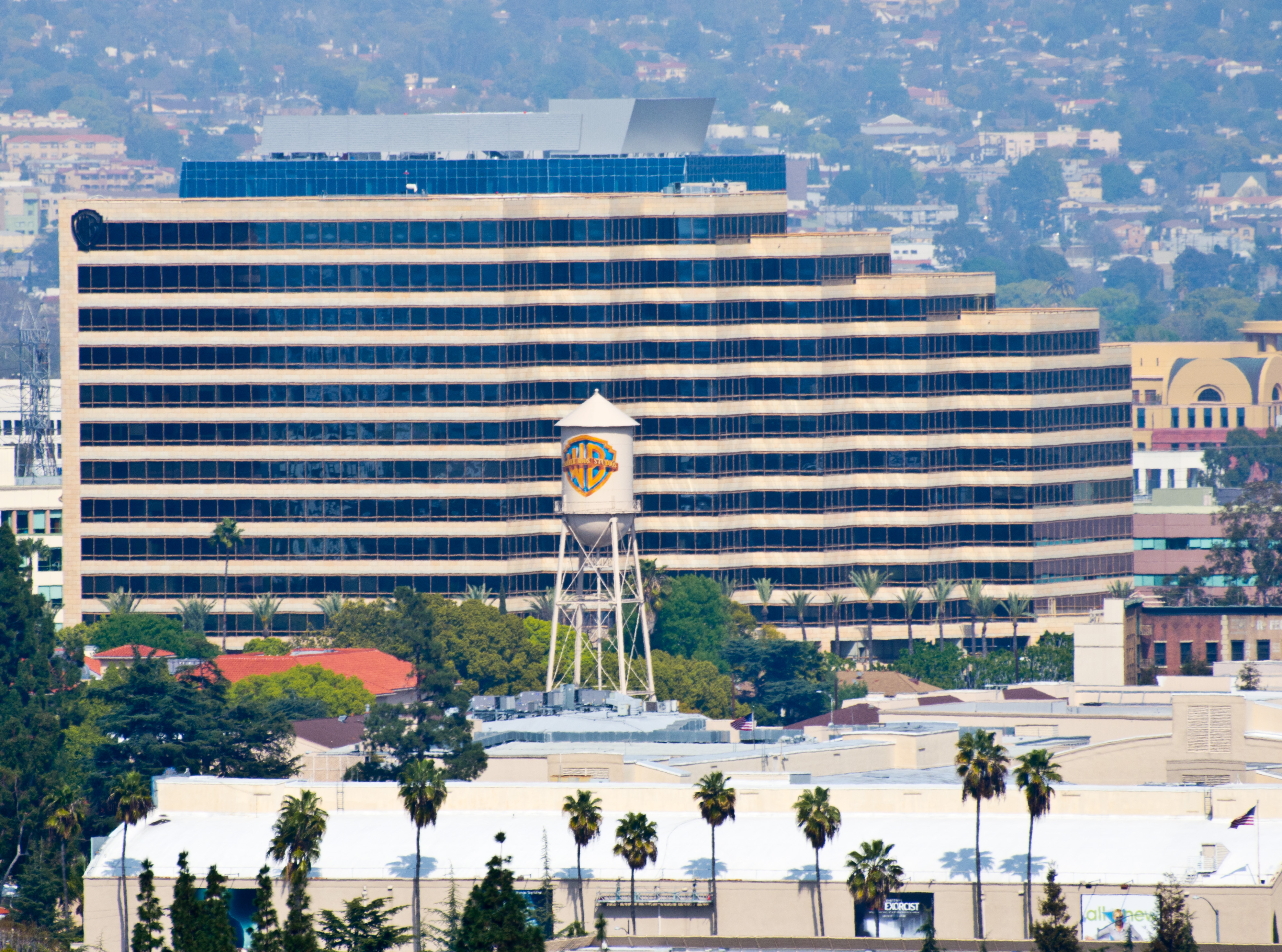
Why this fight matters beyond Hollywood
Strip away the studio logos and this is a constitutional stress test. The federal government approved this deal. Twelve states are trying to kill it anyway, and a federal judge just agreed to hold the door shut while they argue. If the states win, every future megamerger has to survive not one antitrust gatekeeper but potentially thirteen, and the next wave of consolidation, in media, in AI, in healthcare, gets priced accordingly.
The stakes for consumers are less abstract. This deal would put Paramount+ and HBO Max under one roof, and CBS, MTV, CNN and HBO under one owner, in a streaming market where price hikes have become an annual ritual. The states say fewer owners means higher prices and fewer films; the companies say scale is the only defense against Netflix and YouTube swallowing entertainment whole. Neither side is bluffing, which is exactly why a federal judge, not a press release, now gets the final word.
The FCC still has to rule on Paramount's 28 broadcast licenses. The UK's competition authority is still reviewing. And on 3 August, in an Oakland courtroom, Hollywood finds out whether its biggest deal ever is merely paused, or actually in trouble. Until then the water tower waits, the meter runs, and $650 million a quarter concentrates minds wonderfully.