Ju Jitsu Gee Color Fading: Keep Your Gi Looking New
Ju Jitsu Gee Color Fading: Keep Your Gi Looking New
Color fading is not always caused by poor fabric quality. Washing habits, detergent, water temperature, drying methods, sweat, and repeated friction can all affect the appearance of a gi. Even a well-maintained uniform may show natural signs of use over time.
A faded ju jitsu gee can make a training uniform look old even when the fabric is still in good condition. Black uniforms may gradually turn grey, blue fabric can lose its deep shade, and white uniforms can develop yellow patches around the collar and underarms. These problems are frustrating, especially when you have invested in a uniform you expected to use for a long time.
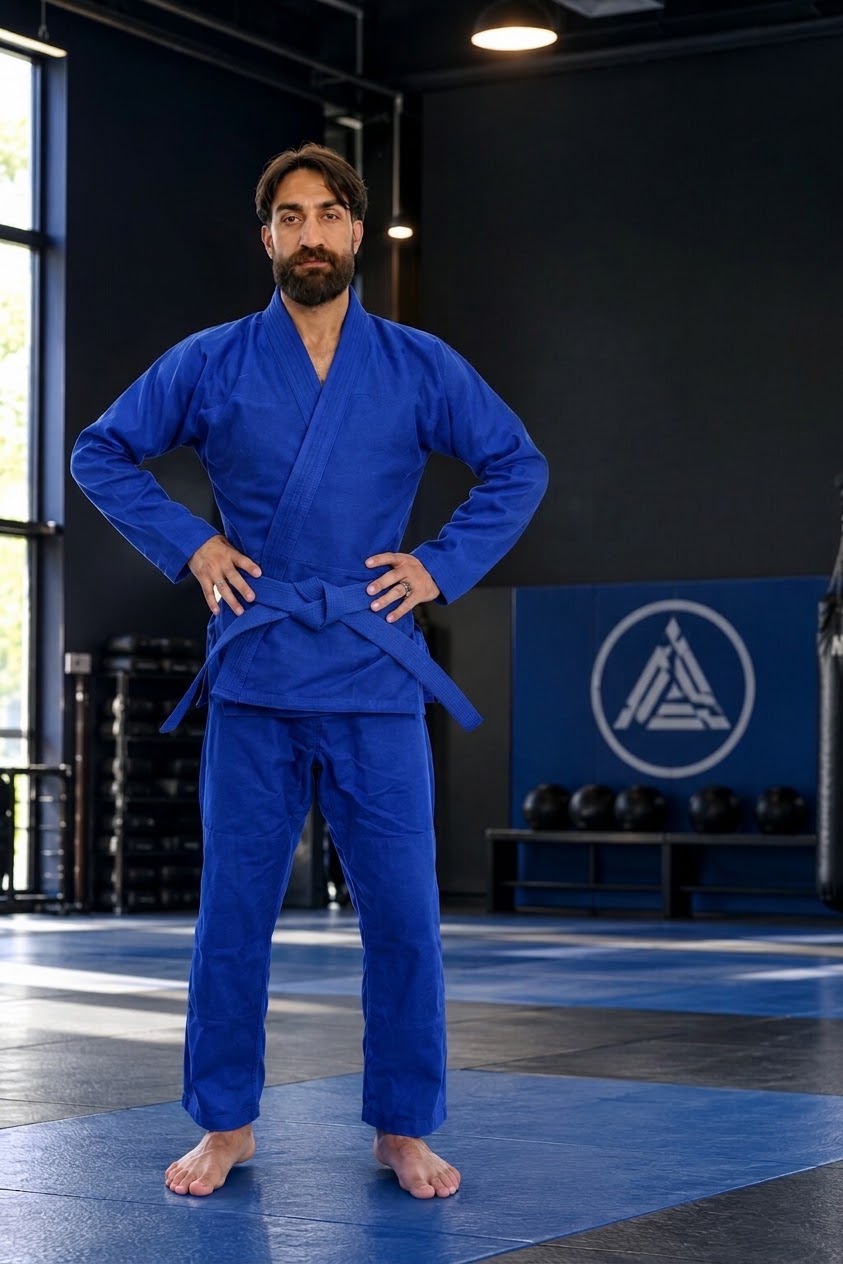
The good news is that a few simple changes can help protect fabric color and keep your training clothes looking cleaner. This guide covers common color problems, practical cleaning methods, and mistakes worth avoiding.
Table of Contents
Why does a BJJ gi lose its color?
Why do black and blue gis fade?
Common color problems and their solutions
Best washing practices for colored uniforms
Choosing detergents and cleaning products
Protecting white gis from yellow stains
Drying and storing your uniform
Mistakes that damage gi colors
Frequently asked questions
Why Does a BJJ Gi Lose Its Color?
A gi goes through more physical stress than ordinary everyday clothing. During training, the fabric experiences gripping, pulling, friction, sweat, and repeated movement. These conditions can gradually affect its appearance.
Color fading usually happens because of several factors working together.
Frequent Washing
Washing after every training session is important for hygiene, but repeated washing can gradually affect dyed fabric. Strong cleaning products and unsuitable washing temperatures may speed up color loss.
The goal is not to avoid washing. Instead, use a suitable cleaning routine that removes sweat and dirt without unnecessarily damaging the material.
Strong Detergents
Some detergents contain ingredients designed for heavy stains or brightening white clothing. These may not be suitable for dark or colored uniforms.
Using too much detergent can also leave residue, making the fabric look dull or feel uncomfortable.
Friction During Washing
When a gi moves against other clothing, rough fabrics, or the washing machine drum, repeated friction can affect its surface.
Turning the uniform inside out and washing it with similar colors can help reduce unnecessary contact with other garments.
Direct Sunlight
Drying a uniform under strong sunlight for extended periods may contribute to fading. This is especially noticeable with darker fabrics.
A shaded, well-ventilated drying area is a better option when the care label recommends air drying.
Why Do Black and Blue Gis Fade?
Dark uniforms can show color changes more noticeably because their original shades are often deep and rich. Even gradual fading can make the fabric appear uneven.
Black Gi Turning Grey
A black gi may gradually lose its dark appearance after repeated washing and drying. Areas exposed to frequent friction, such as the shoulders, knees, elbows, and collar, may show changes earlier.
Check whether the fabric is actually losing color or simply collecting detergent residue. A suitable wash with the correct amount of detergent may improve the appearance if residue is responsible.
Blue Gi Losing Its Original Shade
Blue uniforms can become lighter with repeated exposure to washing and sunlight. Some areas may appear less vibrant than others because they experience more friction during training.
Wash blue uniforms with similar shades and follow the manufacturer's recommended temperature.
Uneven Color Changes
If one section of your gi looks noticeably lighter than another, inspect the fabric carefully.
Possible causes include:
Repeated rubbing against rough surfaces
Uneven exposure to sunlight
Incorrect detergent
Previous contact with cleaning chemicals
Natural wear from regular training
If the color change appeared suddenly after using a new cleaning product, stop using that product until you have checked whether it is suitable for your uniform.
Common Color Problems and Their Solutions
Different uniforms experience different problems. Understanding the cause helps you choose a suitable solution without damaging the fabric further.
Common problem | Possible reason | Practical solution |
Black gi turns grey | Repeated washing and friction | Use color-safe detergent |
Blue gi looks dull | Dye loss or sunlight | Wash cold and dry in shade |
White gi turns yellow | Sweat and residue | Treat stains promptly |
Belt stains the jacket | Color transfer | Wash separately when needed |
Fabric looks rough | Friction and harsh washing | Use a gentle cycle |
Uneven patches appear | Chemical or surface damage | Check the affected area |
When Belt Color Transfers to a White Gi
A newly dyed or heavily used belt may sometimes release color, particularly when it becomes wet.
If you notice color transfer, separate the affected garment from other laundry. Follow the care label and use a fabric-compatible stain treatment after testing it on a hidden area.
Avoid immediately applying strong bleach or mixing cleaning chemicals. These can weaken fabric and may make the stain worse.
Choosing the Right Jiu Jitsu Clothing
A uniform's appearance is important, but comfort and proper maintenance should also influence your buying decision. If you are comparing a jiu jitsu robe, check its fabric, stitching, color quality, and washing instructions before making a purchase. These details can help you select training clothing that suits regular use while maintaining a neat appearance. Always follow the manufacturer's care recommendations to protect the material and its original color.
Best Washing Practices for Colored Uniforms
A consistent washing routine is one of the most useful ways to maintain your uniform's appearance.
Wash With Cold Water
Cold washing is commonly recommended for colored BJJ gis because it can help limit unnecessary dye loss and reduce the risk of heat-related shrinkage.
Check the garment's care label before choosing a washing temperature. Different fabrics and manufacturing processes may have different requirements.
Turn the Gi Inside Out
Turning the jacket and pants inside out before washing can reduce rubbing on the outer surface.
It also helps protect embroidery, patches, and decorative details from unnecessary friction.
Separate Similar Colors
Avoid washing a dark uniform with white clothing. If a colored garment releases dye, it could affect lighter fabrics.
A simple laundry separation system works well:
Laundry group | Examples |
White | White gi and light clothing |
Dark | Black and dark grey uniforms |
Colored | Blue and other colored gis |
Training accessories | Belts and compatible gym clothing |
Wash After Every Training Session
Sweat and moisture should not remain trapped in a uniform. Take your gi out of your gym bag after class and wash it according to the care instructions.
If you cannot wash it immediately, hang it somewhere ventilated instead of leaving it wet and folded inside a bag.
Choosing Detergents and Cleaning Products
The right detergent can help clean your uniform without exposing it to unnecessary chemicals.
Use Color-Safe Detergent
For dark and colored gis, consider a detergent designed for colored clothing. Follow the recommended amount rather than adding extra product.
More detergent does not automatically mean cleaner fabric. Excess detergent may leave residue that affects the appearance and feel of the material.
Avoid Chlorine Bleach
Chlorine bleach can damage fibers and remove color from dyed garments. It is particularly risky for black and blue uniforms.
For white uniforms, check the manufacturer's instructions before using any whitening treatment. A product suitable for ordinary white cotton may not be appropriate for a gi with colored embroidery or patches.
Be Careful With Fabric Softener
Fabric softener is not necessary for every gi. Some manufacturers recommend avoiding it because it can leave residue or affect fabric performance.
Always follow the care instructions for your particular uniform.
Protecting White Gis From Yellow Stains
White uniforms present a different challenge. Instead of fading, they can develop yellow or grey areas that make them appear older.
Common areas include the collar, underarms, knees, and sections that come into frequent contact with sweat.
Deal With Sweat Quickly
Do not leave a sweaty uniform inside a closed gym bag for several hours. Take it out after training and wash it promptly.
If a stain appears, treat it according to the fabric instructions instead of waiting for several more washes.
Clean the Collar Carefully
The collar often collects sweat and dirt because it remains close to the neck during training.
Use a mild, fabric-compatible cleaning product and gently treat the affected area. Avoid aggressive scrubbing because it can damage stitching and fabric fibers.
Avoid Random Whitening Mixtures
Mixing household cleaning products can create dangerous reactions. Never combine bleach with ammonia, vinegar, or other cleaners.
Choose one suitable product and follow its label instructions.
Drying and Storing Your Uniform
Washing is only one part of uniform care. Incorrect drying and storage can also affect color and fabric condition.
Choose a Shaded Drying Area
Hang your gi in a ventilated area away from prolonged direct sunlight. Spread the jacket and pants properly so air can circulate.
Avoid leaving wet clothing folded over itself because moisture may remain trapped inside.
Be Careful With Machine Dryers
High dryer temperatures can contribute to shrinkage and may affect fabric strength and color.
If your manufacturer allows machine drying, follow its recommended heat setting. Otherwise, air drying is a practical alternative.
Store Your Gi When Completely Dry
Never store a damp uniform in a wardrobe or closed gym bag.
Before putting it away:
Check that the jacket is completely dry.
Make sure the pants are dry around the waistband.
Keep the uniform away from damp areas.
Avoid storing it beside wet belts or towels.
Inspect it occasionally for stains and fabric damage.
Buying a Uniform That Maintains Its Appearance
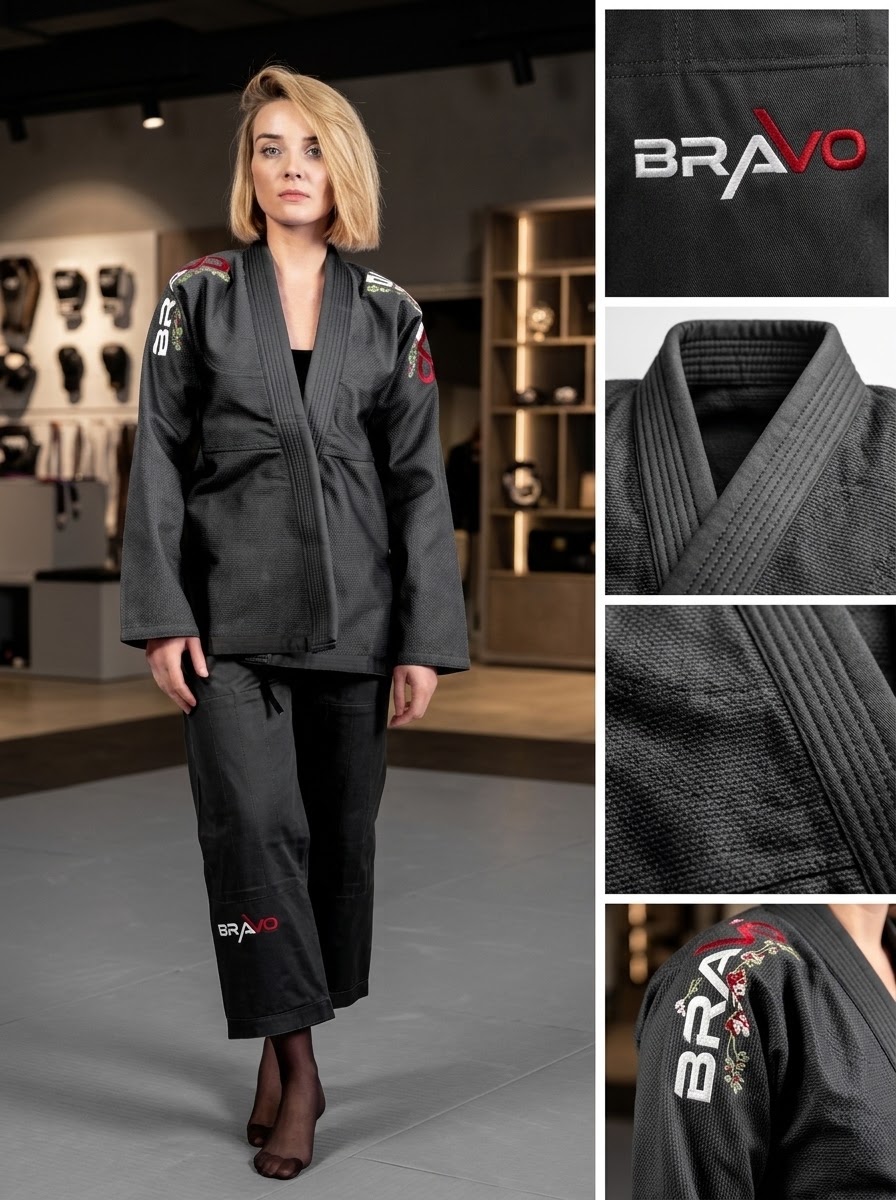
Color retention should be considered before purchasing a new uniform. Fabric quality, dyeing, construction, and care instructions can all influence how a gi looks after repeated use.
When exploring options from a brave jiu jitsu search or comparing different training uniforms, focus on the actual product details instead of relying only on product photographs.
What to Check Before Purchasing
Buying factor | What to consider |
Fabric | Construction and material information |
Color | Available shades and care requirements |
Stitching | Quality around high-stress areas |
Washing | Manufacturer's cleaning instructions |
Embroidery | Whether special care is required |
Size | Fit after following care instructions |
A useful product description should explain fabric details, sizing, and maintenance rather than simply promising long-lasting quality.
If you train frequently, having more than one uniform can also make laundry easier. You can rotate between clean gis while allowing each one to dry completely.
Frequently Asked Questions
Can I restore the original color of a faded gi?
Minor dullness caused by detergent residue may improve after proper washing. However, actual dye loss is difficult to reverse. Fabric dye may be an option, but check its compatibility with the material, stitching, and patches first.
Should I wash my colored gi separately?
Yes, especially when the uniform is new or you are unsure whether its dye may transfer. Separate dark, colored, and white clothing to reduce the risk of color bleeding.
Does hot water make a gi lose color?
Hot water may increase dye loss in some fabrics and can contribute to shrinkage. Cold washing is generally a safer starting point for colored gis, but always follow the manufacturer's instructions.
Can vinegar stop a BJJ gi from fading?
Some garment-care instructions suggest vinegar treatments for certain new colored gis, but results are not guaranteed for every fabric or dye. Follow the manufacturer's guidance rather than assuming vinegar will permanently prevent fading.
Is it safe to use bleach on a white BJJ gi?
Not automatically. Bleach may weaken fibers, damage embroidery, or affect colored patches. Check the garment label and use only products specifically suitable for the material.
How long should a BJJ gi maintain its original color?
There is no fixed lifespan for fabric color. Dye quality, training frequency, friction, washing habits, and sunlight exposure all influence how quickly a uniform changes appearance.